
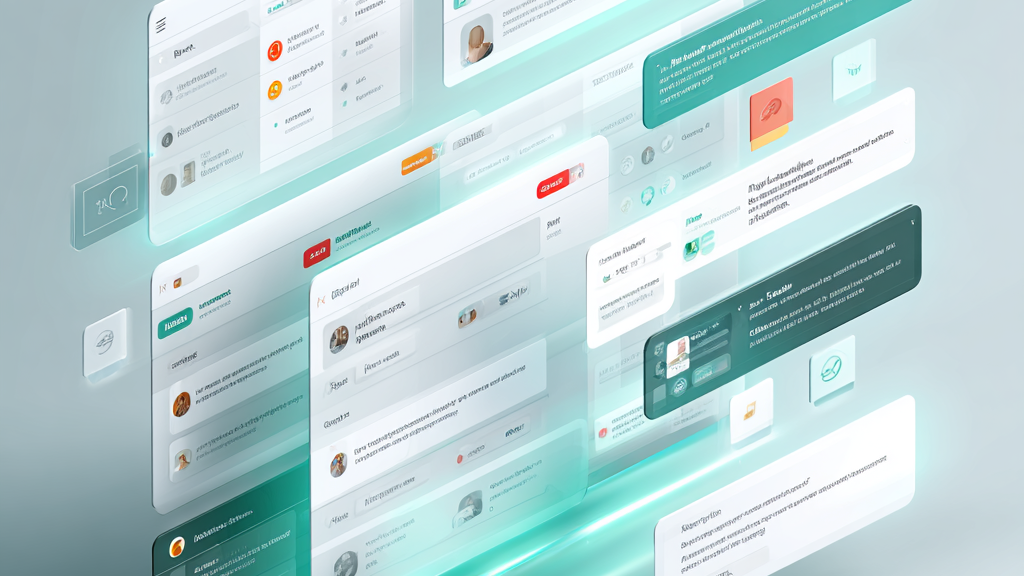
The fastest way to slow a transaction is scattered documents and unclear responsibilities. Modern dealmakers need a secure hub that keeps diligence moving, protects sensitive files, and documents every decision for regulators and auditors.
This matters because delays and breaches are costly. The IBM 2024 Cost of a Data Breach report notes the global average breach cost reached an all-time high, which raises the stakes for secure collaboration in M&A and legal workflows. Danish teams navigating compliance and cross-border activity want clarity, speed, and proof.
Datarums.dk is a Denmark-focused guide and comparison website for virtual data rooms (VDRs), featuring provider overviews, reviews, and feature comparisons to help teams choose a platform for M&A, due diligence, and secure document sharing. It builds on the idea behind “Leading Virtual Data Rooms in Denmark,” where buyers can compare provider profiles and get practical guidance for M&A, due diligence, legal agreements, and real estate deals.
How iDeals VDR supports real work
iDeals Virtual Data Room focuses on security, granular permissions, document control, and a clear Q&A process. These building blocks translate into repeatable, auditable deal workflows that reduce risk and keep stakeholders aligned from teaser to closing.
For an at-a-glance overview of capabilities and market positioning, see the detailed profile at https://datarums.dk/ideals/.
10 real deal workflows you can run in iDeals
- Sell-side data preparation and grooming. Stage a clean room of financials, contracts, and IP. Use bulk upload, indexing, and AI-assisted categorization to mirror the buyer’s checklist before invitations go out.
- Buy-side due diligence tracker. Convert the diligence list into request folders with owners, deadlines, and Q&A threads. Assign workstreams to finance, tax, legal, HR, and tech to keep responses timely.
- Controlled Q&A governance. Route buyer questions to specific subject matter experts while maintaining a central log. Answers can be published to all bidders or contained to a single party as the auction design requires.
- Versioning, watermarking, and redaction. Keep only the latest model or contract visible, watermark downloads with user identity, and redact personal data before sharing. Redaction logs provide an audit trail for GDPR-sensitive files.
- Contract negotiation handoff. Store markups, compare versions, and push final drafts to e-signature tools like DocuSign. The executed files return to the room with a tamper-evident trail.
- Real estate portfolio diligence. Organize leases, surveys, environmental reports, and photos by asset. Use permissions to grant lenders, buyers, and appraisers access to only their relevant folders.
- Vendor and cybersecurity diligence. Share SOC 2, penetration test summaries, and compliance policies with selective visibility. The immutable audit log supports risk committee oversight.
- Auction management with staged access. Run a one-to-many sale by creating bidder groups. Promote bidders to deeper folders as they advance, while preserving strict separation between buy-side teams.
- Post-merger integration library. After close, maintain access for integration leads. Use group-level permissions to transition from diligence to day-one planning without rebuilding folders.
- Board and investor reporting room. Provide quarterly packs, KPIs, and minutes under read-only controls. Watermarks and activity reports help identify unusual access patterns.
Why these workflows work
- Granular roles and permissions limit exposure to the minimum required audience.
- Structured Q&A prevents inbox chaos and keeps a single source of truth.
- Document controls like expiry dates, disable-print, and NDAs reduce leakage risk.
- Audit trails and reporting satisfy internal audit and external counsel requirements.
- Integrations with Microsoft 365 and e-sign tools streamline handoffs.
Evidence from the market
High-quality diligence correlates with better outcomes. According to the Deloitte 2024 M&A Trends survey, acquirers are emphasizing faster, tech-enabled diligence to manage valuation gaps and regulatory complexity. A mature VDR underpins that speed without compromising governance.
Best-practice setup for Denmark-based teams
If you are preparing a room for a Danish transaction, align your playbook early:
- Map the buyer’s diligence list to your folder index before invitations.
- Enable user-based watermarks and restrict downloads for sensitive folders.
- Use Q&A subjects and escalation paths to avoid bottlenecks.
- Log data processing purposes for GDPR-sensitive documents and redact where necessary.
- Schedule weekly activity reports for deal leads to identify stalled threads.
Putting it together
Whether you are selling a carve‑out, refinancing real estate, or running a competitive process, iDeals VDR offers the controls and clarity that modern deals demand. For Denmark-focused comparisons, provider overviews, and selection guidance grounded in local practice, Datarums.dk brings together the key questions and features that teams should assess before kickoff.